POS Systems for Growing NZ Retailers: What to Look for in 2026
For many New Zealand retailers, the point of sale system is the heart of daily operations. It’s where sales happen, stock moves, and customer interactions are recorded.
But as a retail business grows, basic POS systems often struggle to keep up. Choosing the right POS system is critical for maintaining accuracy, delivering good customer experiences, and scaling smoothly.
In this article, we’ll explain what growing NZ retailers should look for in a POS system in 2026.
What is a POS System?
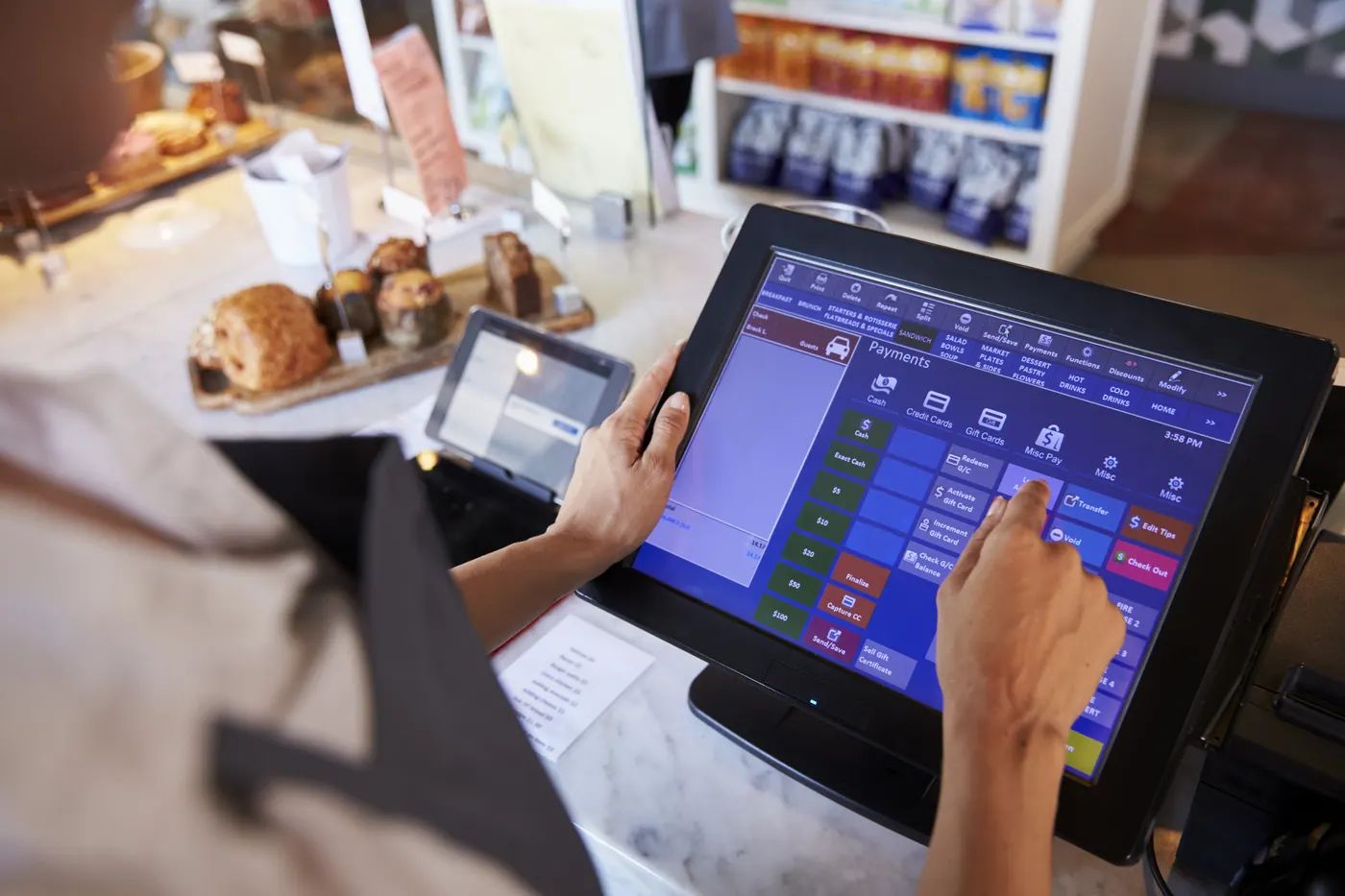
A POS (point of sale) system is the software and hardware used to process customer interactions.
At a minimum, it handles:
- Sales and payments
- Receipts and refunds
- Basic stock deductions
Modern POS systems, however, go well beyond checkout by integrating with inventory, reporting, and customer data.
Why POS SYstems Matter More as You Grow
As retailers scale, POS systems impact far more than just transactions.
Growing businesses need POS systems that:
- Sync stock in real time
- Support multiple stores or locations
- Handle increasing transaction volumes
- Integrate with ecommerce and accounting systems
Without these capabilities, retailers often experience stock inaccuracies, reporting gaps, and operational friction.
Key Features to Look for in a POS System
Real-Time Inventory Sync
Stock should update instantly across all sales channels, preventing overselling and stock discrepancies.
Multi-Store Support
The ability to manage pricing, products, and reporting across multiple locations from one system.
Flexible Payment Options
Support for EFTPOS, online payments, gift cards, and returns without manual workarounds.
Reporting and Sales Insights
Clear visibility into sales trends, top products, and staff performance.
Integration Capabilities
Seamless integration with inventory management, ecommerce platforms, and accounting software.
POS Systems and Omnichannel Retail
Modern retailers rarely sell through just one channel.
The right POS system supports:
- In-store and online sales
- Click-and-collect workflows
- Centralised stock management
- Consistent pricing and promotions
This omnichannel capability is essential for meeting customer expectations in 2026.
Common Mistakes When Choosing a POS System
Retailers often run into issues by:
- Choosing a POS based on price alone
- Ignoring inventory and reporting limitations
- Using separate systems that don’t integrate
- Underestimating future growth
A POS system should support where your business is going—not just where it is today.
When Should You Upgrade Your POS System?
It’s usually time to upgrade when:
- Stock discrepancies are frequent
- Reporting is unreliable or manual
- You’re opening new stores or channels
- Your current system can’t scale
At this stage, upgrading your POS system becomes an investment in efficiency rather than a cost.
See Modern POS Systems in Action
If your POS system is struggling to support growth, the right solution can improve inventory accuracy, streamline sales, and give you better insight into performance.
At Get Zulu, our POS system integrates seamlessly with retailer inventory and retail management software for faster processing of transactions and more transparent reporting.
If you’d like to see how modern POS systems work in practice, book a demo with our team and explore solutions designed for growing NZ retailers.
Frequently Asked Questions
What is the best POS system for NZ retailers?
The best POS system depends on your business size, channels, and integration needs.
Do POS systems include inventory management?
Many modern POS systems include inventory features or integrate with dedicated inventory software.
Can POS systems support multiple stores?
Yes. Most scalable POS systems support multi-store management.
Are cloud-based POS systems better?
Cloud-based systems offer real-time updates, remote access, and easier integrations.
When should a retailer upgrade their POS system?
When growth exposes limitations in inventory, reporting, or scalability.