Retail Management Software Explained: Features NZ Retailers Actually Need
Running a retail business in New Zealand is more complex than ever. Between in-store sales, ecommerce, inventory management, and customer expectations, retailers need systems that work together - not in silos.
That’s where retail management software comes in.
In this guide, we’ll explain what retail management software is, what features actually matter for NZ retailers, and when it’s time to move beyond disconnected tools.
What is Retail Management Software?
Retail management software is a system designed to manage the core operations of a retail business in one place.
It typically brings together:
- Inventory management
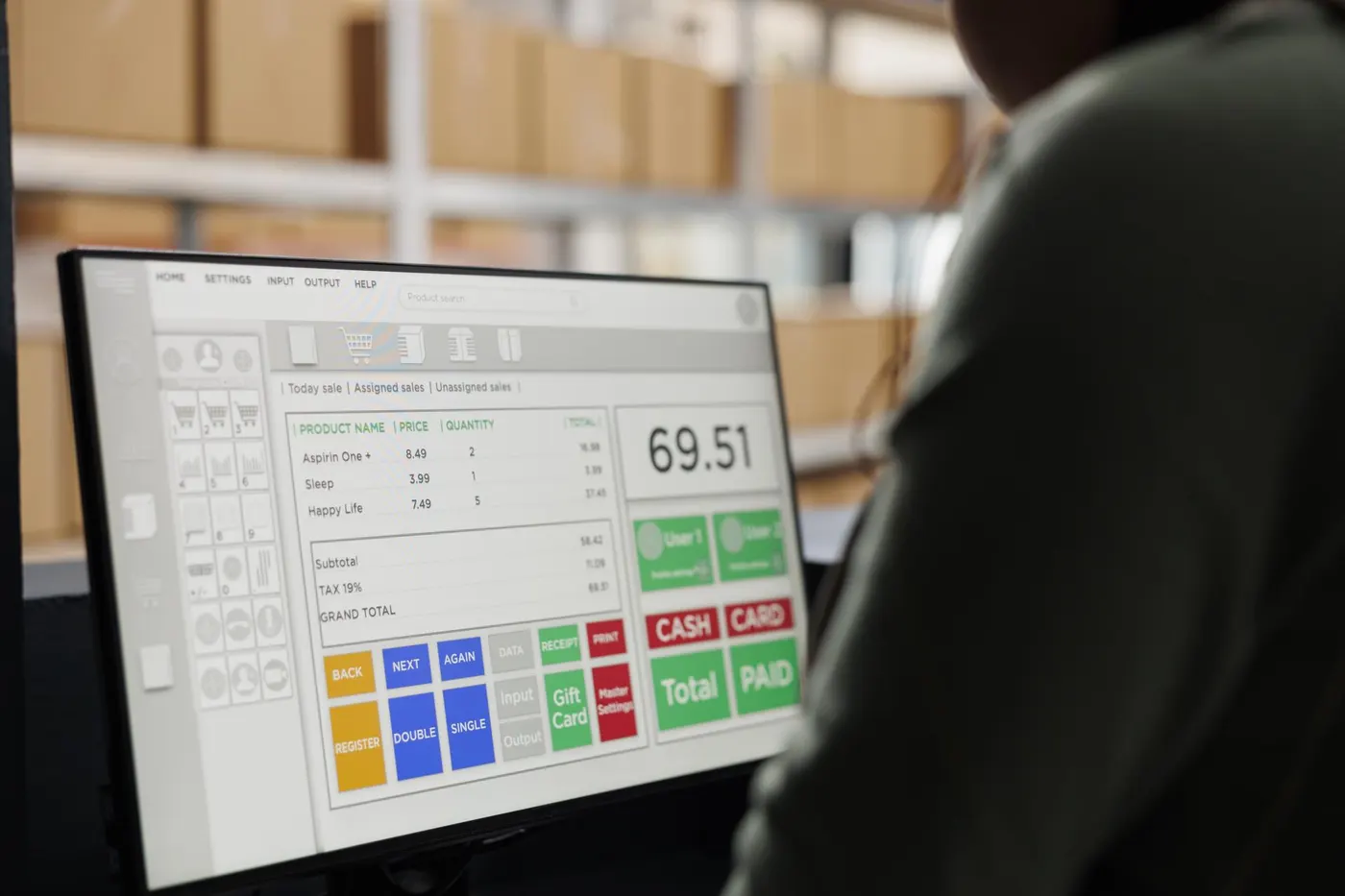
- Point of sale (POS)
- Customer and sales data
- Pricing and promotions
- Reporting and insights
Rather than juggling multiple tools, retailers gain a unified view of stock, sales, and performance across channels.
Why NZ Retailers Need Retail Management Software
Retailers face unique challenges, including:
- Managing stock across physical stores and ecommerce
- Preventing overselling and stockouts
- Keeping pricing consistent across channels
- Understanding what products actually drive profit
Without integrated systems, these challenges often result in manual work, inaccurate data, and missed opportunities.
Retail management software provides the structure needed to operate efficiently and scale.
Key Software Features NZ Retailers Actually Need
Not all features deliver equal value. The most important capabilities for growing NZ retailers include:
Centralised Inventory Management
Real-time visibility of stock across stores, warehouses, and online channels.
Integrated POS
A point-of-sale system that syncs instantly with inventory and sales data.
Multi-Store Management
Consistent pricing, stock control, and reporting across multiple locations.
Omnichannel Support
The ability to sell seamlessly in-store, online, and through marketplaces.
Reporting and Insights
Clear data on sales performance, inventory turnover, and product profitability.
These software features help retailers make informed decisions instead of relying on guesswork.
Retail Management Software vs POS Systems
While closely related, they serve different purposes.
- POS Systems focus on processing transactions at the checkout
- Retail management software manages inventory, sales data, and operations across the entire business.
Many modern platforms combine both, but retailers should ensure the system supports back-office operations - not just payments.
When is Retail Management Software the Right Choice, and How Does it Benefit Your Business?
Retail management software becomes essential when;
- Product ranges grow
- Multiple stores or channels are added
- Inventory errors become frequent
- Reporting becomes difficult or unreliable
At this point, spreadsheets and disconnected POS systems struggle to keep up.
When implemented correctly, retail management software helps businesses:
- Improve inventory accuracy
- Reduce manual processes
- Deliver better customer experiences
- Scale without operational chaos
- Make data-driven decisions
For retailers planning to grow, these benefits quickly outweigh the cost of software.
See Our Retail Management Software in Action
If your retail business is juggling inventory, sales channels, and multiple systems, the right retail management software can bring everything together.
At Get Zulu, our software supports New Zealand retailers with accurate inventory, smooth point-of-sale operations, and scalable growth.
If you’d like to see how retail management software could work for your business, book a demo with our team and explore our solutions designed for you.
Frequently Asked Questions
What does retail management software include?
It typically includes inventory management, POS, reporting, and multi-store capabilities.
Is retail management software suitable for small retailers?
Yes. Many small NZ retailers adopt it early to support growth and reduce manual work.
How is retail management software different from POS software?
POS handles transactions, while retail management software manages inventory, sales data, and operations.
Can retail management software support ecommerce?
Most modern systems integrate with ecommerce platforms to sync stock and sales data.
When should a retailer upgrade to retail management software?
When inventory errors, disconnected systems, or limited reporting begin impacting performance.